



Whole House Ventilators
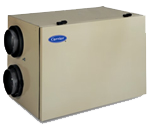
Modern homes are sealed tightly to save energy, but that also traps stuffy air, cooking odors, everyday fumes, and extra moisture. A whole house ventilator is a unit that constantly trades that stale air for fresh, filtered outdoor air, recovering up to 80 percent of the heating or cooling energy in the process. These systems come in two types, a Heat Recovery Ventilator (HRV) and an Energy Recovery Ventilator (ERV).
Types of Whole House Ventilators to Consider
Every whole house ventilator uses a core that moves energy between the outgoing and incoming air without mixing the two streams. The difference comes down to what that core carries, and which type fits your home depends mostly on your climate and how your home handles humidity through the year.
How a Whole House Ventilator Works
Inside the cabinet, two air streams run past each other in opposite directions, separated by a recovery core. That core is what lets the unit trade your stale air for fresh air without throwing away the energy you already paid to heat or cool.

- Two separate air streams — one pair of ports draws stale indoor air in and vents it outside, while the other pulls outdoor air in and delivers it to your living areas. The two streams pass through the same cabinet but never mix.
- High-efficiency heat recovery core — pulls the heat out of the stale air on its way out and transfers it to the fresh air coming in, so up to 80 percent of that energy stays in your home. The core also sheds excess humidity, and drier air means you stay comfortable at a higher thermostat setting in summer and a lower one in winter.
- Air filter — cleans the incoming outdoor air of small particles before any of it circulates through your home.
- Damper defrost — keeps frost from forming inside the unit when outdoor temperatures drop below 23 degrees Fahrenheit, without the energy-consuming electric defroster some systems need.
- Briefcase-style exterior latches — pop open by hand, so filter changes take no tools.
- Simple wall control — sets the circulation mode and fan speed from inside the house, the same way you would adjust a thermostat.
Comparing Ventilator Capacity
Ventilator capacity is measured in cubic feet per minute (CFM), the amount of air a unit moves in and out each minute. The right airflow depends on your home's size and how many people live there. Use this comparison to match a tier to your home.
| System Tier | Home Size | Airflow (CFM) | Who It Is For | What You Get |
|---|---|---|---|---|
| Standard | Up to 1,800 sq ft | 50 to 80 | Condos, apartments, and tighter retrofits. | Essential fresh air with a fixed-speed motor at a lower cost. |
| Advanced | 1,800 to 3,500 sq ft | 100 to 150 | Homes wanting quiet, continuous ventilation. | Energy-saving variable-speed motor and digital controls. |
| Premium | 3,500+ sq ft | 160 to 220+ | Homes with allergy and pollutant concerns. | Adjusts airflow on its own based on indoor air, plus high-MERV filtration. |
For homes dealing with allergies or fine dust, a ventilator pairs well with a dedicated air cleaner for both fresh air and stronger filtration.
But Can't I Just Open a Window?
Opening a window does bring in outdoor air, which makes it a reasonable stopgap on a mild day. But a window gives up all the control, filtering, and energy savings a ventilator provides, and it only helps the room it is in.
| Opening a Window | Whole House Ventilator | |
|---|---|---|
| Coverage | Freshens the one room the window is in. | Every room, through dedicated ducts or your central return. |
| Energy | Your heated or cooled air escapes, so you pay to condition air that leaves. | Recovers up to 80 percent of the energy in the air it swaps out. |
| Air Quality | Pollen, dust, and outdoor fumes come straight in unfiltered. | Filters the incoming air before sending it through your home. |
| Humidity | Summer humidity comes in along with the fresh air. | An ERV core leaves most of that humidity outside. |
| Consistency | Only works when the weather cooperates and someone remembers to open it. | Runs on a set schedule year-round, in any weather. |
| Noise | Traffic and neighborhood noise come in with the air. | Runs quietly with your HVAC system, away from living areas. |
| Security | Means leaving a window unlocked. | Runs with every window closed and locked. |
Professional Sizing, Installation, and Maintenance
The right installation and a little upkeep keep your ventilator running quietly and efficiently. You can also tie it into a smart thermostat to run it automatically.
Sizing
We come out, assess your home, and recommend the right size and type for your climate.
Ducting
We run dedicated fresh-air ducts or tie the unit into your central return so it reaches the whole house.
Vent Placement
We place the outdoor intake away from driveways, dryer vents, and gas meters so the air coming in is clean.
Balancing
We balance the incoming and outgoing airflow so the pressure in your home stays even.
Startup
We set the controls, test it, and show you how it works.
Once it is running, upkeep is simple. Rinse or vacuum the filters a few times a year and clean the recovery core each season to keep the unit at full efficiency.
To keep your ventilator and whole HVAC system functioning properly and efficiently without interruptions, contact Fiers Heating and Air Conditioning in Paducah, KY to schedule regular maintenance today.
Schedule Maintenance Service Today
Is a Whole House Ventilator Right for Your Home?
When a home cannot breathe, it shows up in the air, your health, and your comfort. If any of these sound familiar, a whole house ventilator can help.
Stale, Stuffy Air and Lingering Odors
A sealed-up home traps cooking smells, pet odors, smoke, and used air with nowhere to go. A ventilator constantly pushes that air out and pulls fresh air in, so every room stays fresher without opening a window.
Allergy and Asthma Symptoms Indoors
Opening a window for fresh air brings pollen and outdoor dust straight in with it, which is the last thing an allergy sufferer needs. A ventilator filters the incoming air first, so your family gets the fresh air without the allergens, and the stale air carrying indoor dust and dander gets pushed out at the same time.
Feeling Tired or Foggy Indoors
As the day goes on, carbon dioxide and other pollutants build up indoors. A lot of people notice they feel tired or foggy in a room like that. A ventilator keeps fresh air moving through the house, so the air stays comfortable to breathe.
Fumes From Paint, New Furniture, and Cleaners
New carpet, paint, cabinets, and cleaning products give off fumes called volatile organic compounds, or VOCs. Steady ventilation dilutes those fumes with fresh air so they do not build up indoors.
Winter Window Condensation
In winter, cooking and showering add a lot of moisture to the air. An HRV pushes that damp air out and brings drier outdoor air in, which cuts down on window fog and the mold it can lead to.
If that describes your home, fresh air may be the missing piece. Fiers Heating and Air Conditioning, located in Paducah, KY, can check your home's air and recommend the right ventilator and the right size.
Frequently Asked Questions
Ventilator Product Offering
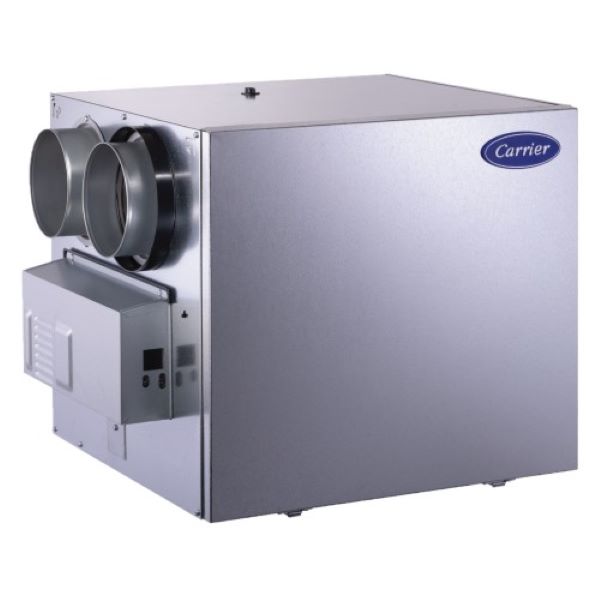
Performance™ Horizontal Energy Recovery VentilatorView Brochure |
|---|
| Model Family: ERVXXLHB |
| Airflow: Air Flow (Cubic Ft/Min.): Up to 210 |
| Sound Level: Quiet operation |
| Warranty: Select either a 10-year parts only limited warranty or a 5-year parts, plus a 3-year labor limited warranty. |
Manufacturer's Stated Benefits:
|
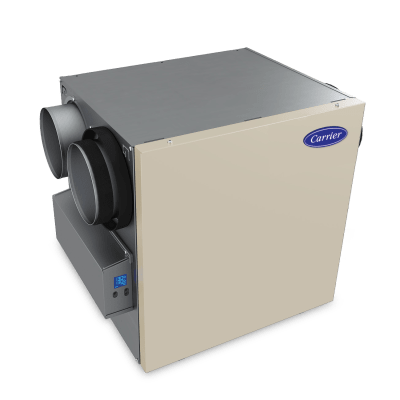
Performance™ Horizontal Energy Recovery VentilatorView Brochure |
|---|
| Model Family: ERVXXSHA |
| Airflow: Air Flow (Cubic Ft/Min.): Up to 150 |
| Sound Level: Quiet operation |
| Warranty: select either a 10-year parts only limited warranty or a 5-year parts, plus a 3-year labor limited warranty. |
Manufacturer's Stated Benefits:
|
Performance™ Horizontal Heat Recovery VentilatorView Brochure |
|---|
| Model Family: HRVXXLHB |
| Airflow: Air Flow (Cubic Ft/Min.): Up to 231 |
| Sound Level: Quiet operation |
| Warranty: Select either a 10-year parts only limited warranty or a 5-year parts, plus a 3-year labor limited warranty. |
Manufacturer's Stated Benefits:
|

Performance™ Vertical Heat Recovery VentilatorView Brochure |
|---|
| Model Family: HRVXXSVA |
| Airflow: Air Flow (Cubic Ft/Min.): Up to 160 |
| Sound Level: Quiet operation |
| Warranty: Select either a 10-year parts only limited warranty or a 5-year parts, plus a 3-year labor limited warranty. |
Manufacturer's Stated Benefits:
|